
Cadeia de fornecimento e serviços de logística, adaptados ao senhor
Otimize toda a sua estratégia e impulsione o crescimento dos negócios com nossa ampla gama de serviços. Nossas soluções ajudam você a economizar custos, melhorar a visibilidade, aumentar a eficiência e aumentar a satisfação do cliente, garantindo que sua empresa prospere em todos os níveis.
Serviços logísticos simplificados

Combustíveis alternativos
Reduza as emissões da sua cadeia de fornecimento ao adotar combustíveis de baixo carbono por meio do nosso Programa de Combustíveis Alternativos.
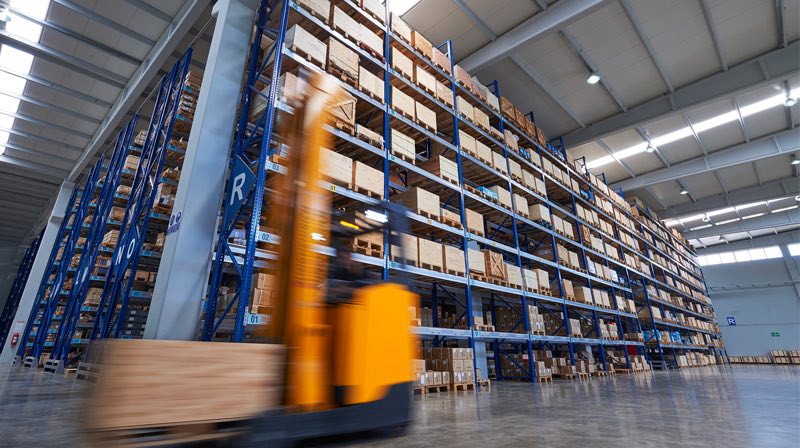
Logística de contrato
Incorpore armazenamento, gerenciamento de estoque e serviços alfandegários em uma solução poderosa.

Logística transfronteiriça
Navegue além das fronteiras com confiança e menos interrupções usando a experiência inigualável de nossa equipe.

Despacho aduaneiro
Trabalhe com nossos corretores internos licenciados para passar pela alfândega rapidamente e sem custos extras.
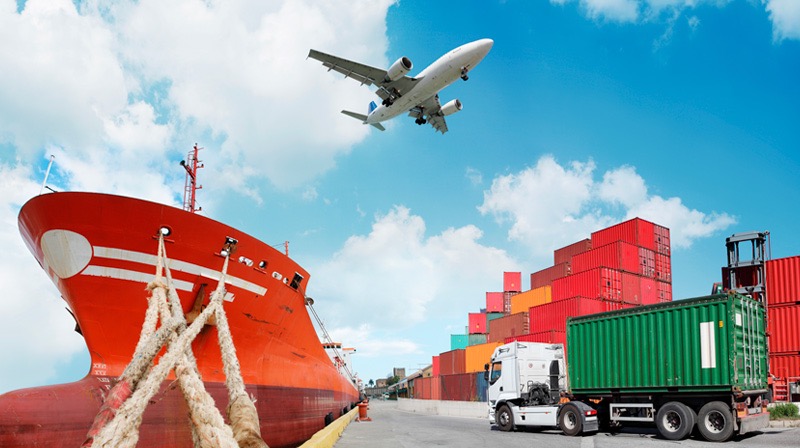
corretagem de frete
Obtenha serviços de corretagem de carga para todos os modos de transporte e otimize seus movimentos de carga.
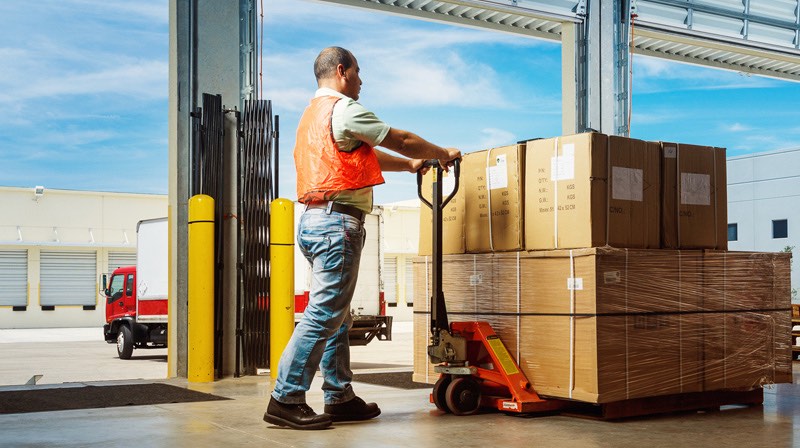
Consolidação de Frete
Melhore a eficiência, corte custos e reduza as emissões com nossos serviços de consolidação de frete.
Armazenamento
Proteja o espaço de armazenamento em pontos-chave para reforçar sua rede de distribuição de forma eficiente.
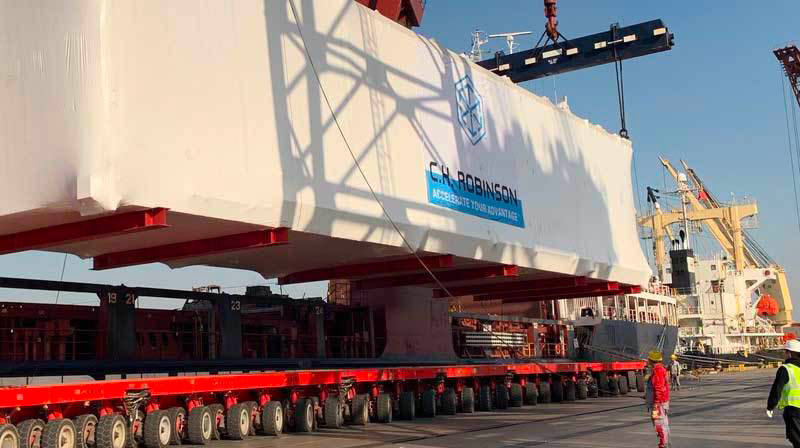
Logística de projeto
Reduza o risco e economize dinheiro com nosso modelo proprietário de despesas de capital (CAPEX).
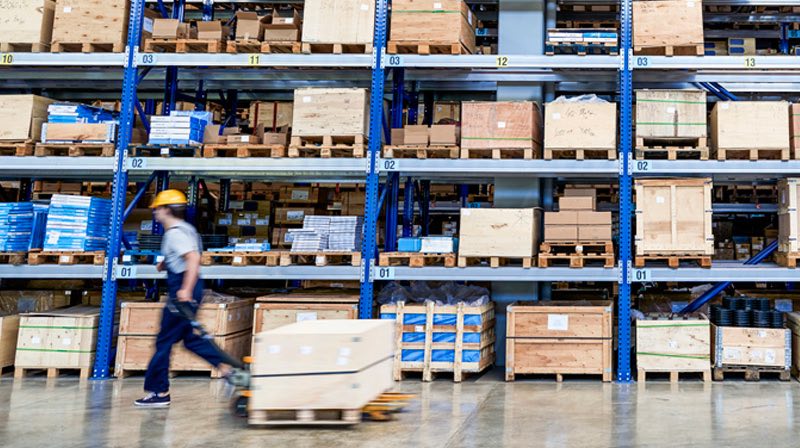
Logística Reversa
Recupere o valor e minimize o impacto ambiental com uma estratégia eficiente de logística reversa.
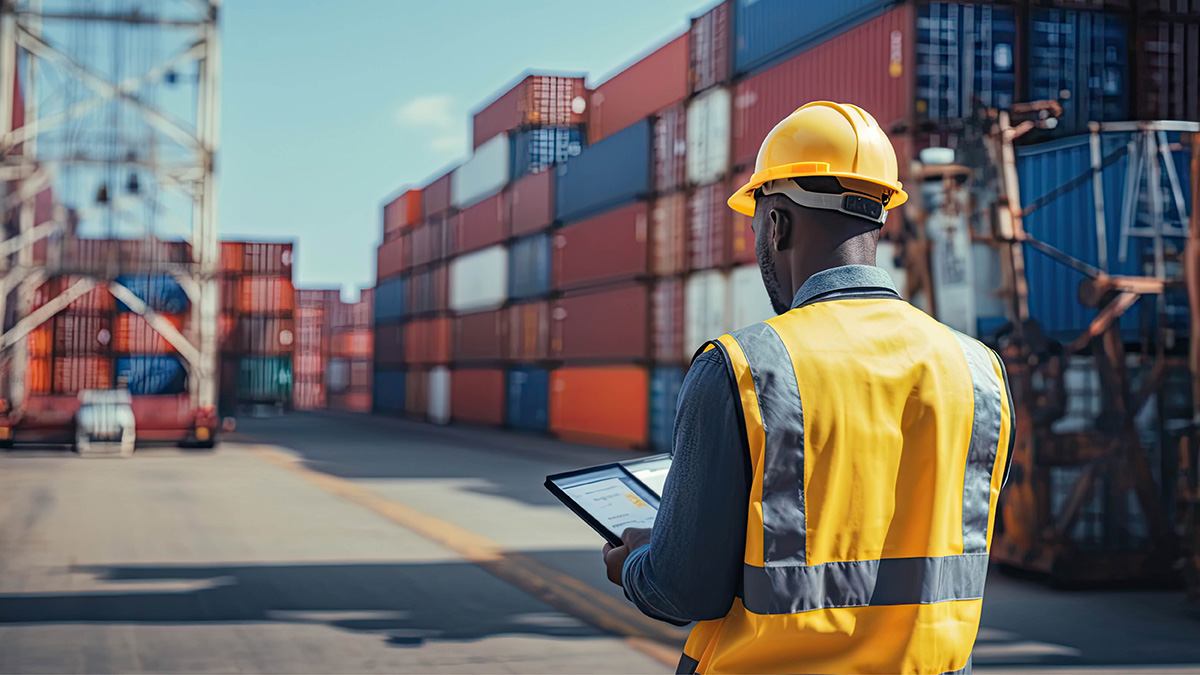
Transloading
Get earlier freight control, tailored port side solutions, and reliable delivery every time.
Vamos levá-lo aonde você precisa ir
What is logistics and supply chain management?
Logistics and supply chain management is the coordinated process of planning, executing, and optimizing the movement, storage, and flow of goods, services, and information from their point of origin to the final customer.
It includes core logistics activities such as transportation, warehousing, inventory management, and order fulfillment, while also encompassing broader supply chain functions like sourcing, production planning, and distribution strategy.
At its core, effective logistics and transport management ensures products move through the supply chain efficiently, cost-effectively, and reliably, supporting business continuity and customer expectations.

How Lean AI is transforming logistics and transportation management
In today’s operating environment, the functions of logistics and supply chain management are increasingly supported by Lean AI, a proprietary blend of advanced AI, logistics expertise, and a proven Lean operating model. Used thoughtfully, Lean AI automates and enhances the end-to-end shipment lifecycle, including transportation quoting, procurement, routing, invoicing, and reporting, enabling smarter, faster, and better decisions and operation execution.
Unlock logistics and supply chain management efficiencies
Strong supply chain and logistics management helps organizations reduce operating costs, improve delivery speed and accuracy, and increase supply chain visibility. When paired with tools like Lean AI, companies can identify inefficiencies faster, proactively respond to disruption, and continuously improve operations over time.
Most importantly, a well-managed supply chain enables faster, more reliable fulfillment, leading to satisfied customers, stronger brand loyalty, and scalable growth in competitive markets.
What are the 7 steps of logistics?
The seven commonly referenced steps of logistics are:
Planning and forecasting
Anticipating customer demand and aligning supply, inventory levels, and transportation capacity to meet future needs while minimizing excess cost and waste.
Procurement
Sourcing, negotiating, and purchasing raw materials, components, or finished goods from suppliers to ensure availability, quality, and cost efficiency.
Transportation
Moving goods between locations using truck, rail, air, or ocean freight, with an emphasis on route optimization, carrier selection, and on-time delivery.
Warehousing
Storing inventory in distribution centers or warehouses and managing receiving, put-away, storage, and retrieval processes until products are needed.
Order fulfillment
Picking, packing, and shipping customer orders accurately and efficiently to meet delivery commitments and service-level expectations.
Distribution
Delivering finished goods through a network of distribution centers, wholesalers, retailers, or direct-to-customer channels to reach the end market.
Returns management
Managing returns, reverse logistics, repairs, recycling, or disposal of products in a cost-effective, sustainable, and customer-friendly way.