
Chaîne d'approvisionnement et services logistiques adaptés à vos besoins
Optimisez l'ensemble de votre stratégie et stimulez la croissance de votre entreprise grâce à notre gamme complète de services. Nos solutions vous permettent de réaliser des économies, d'améliorer la visibilité, d'accroître l'efficacité et d'améliorer la satisfaction des clients, garantissant ainsi la prospérité de votre entreprise à tous les niveaux.
Services logistiques simplifiés

Carburants alternatifs
Réduisez les émissions de votre chaîne d'approvisionnement en optant pour des carburants à faible teneur en carbone grâce à notre programme de carburants alternatifs.
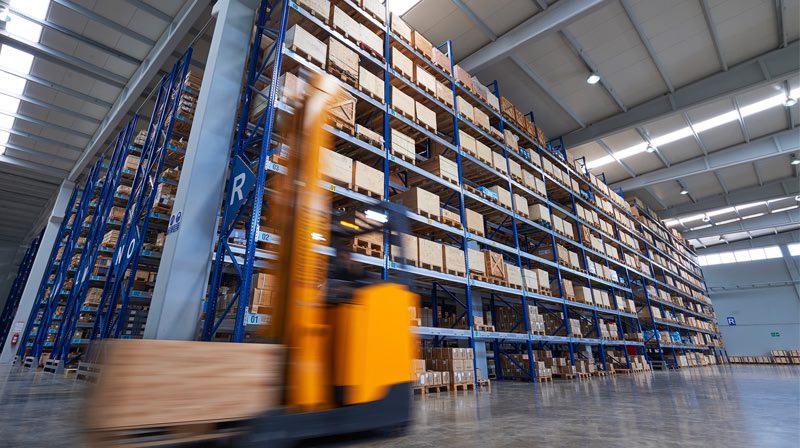
Logistique contractuelle
Incorporez l'entreposage, la gestion des stocks et les services douaniers dans une solution puissante.

Logistique transfrontalière
Expédiez vos marchandises au-delà des frontières en toute confiance et avec moins de perturbations grâce à l'expertise inégalée de notre équipe.
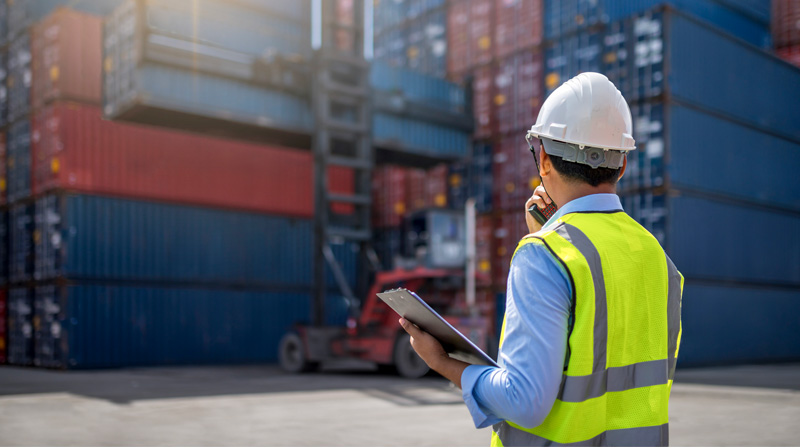
Courtage en douane
Travaillez avec nos courtiers internes agréés pour dédouaner rapidement et sans frais supplémentaires.
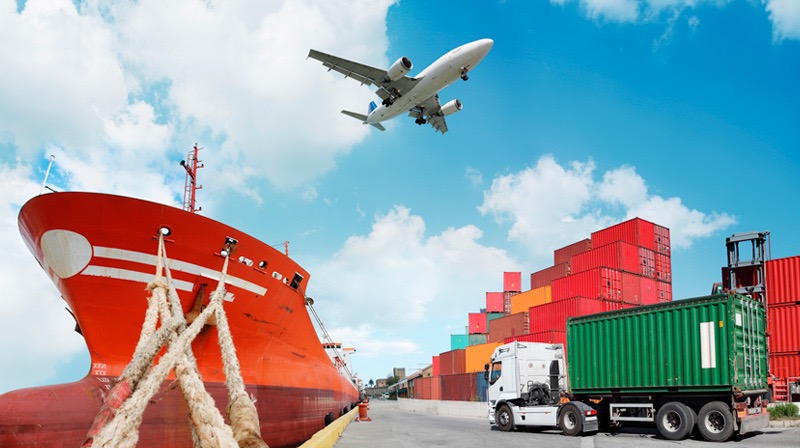
Courtage de fret
Obtenez des services de courtage de fret pour tous les modes de transport et optimisez vos mouvements de fret.
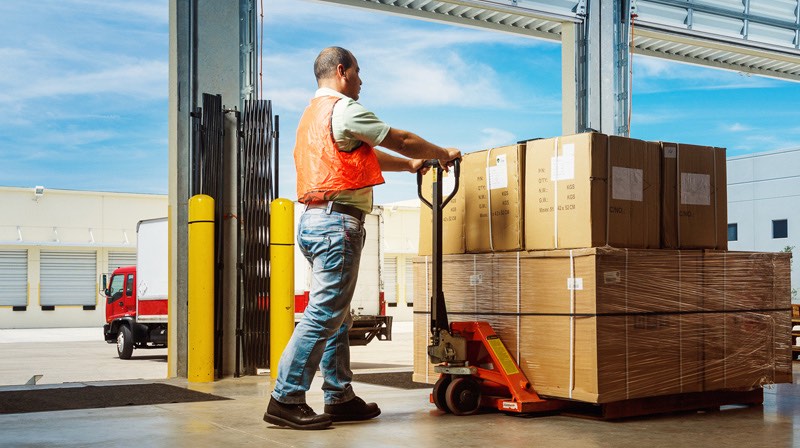
Groupage de fret
Améliorez votre efficacité, réduisez vos coûts et vos émissions grâce à nos services de consolidation du fret.
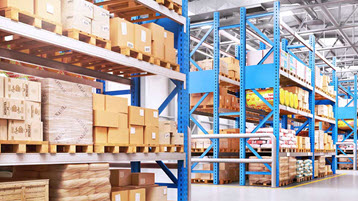
Entrepôt
Garantissez un espace d'entrepôt dans des endroits clés pour renforcer votre réseau de distribution de manière rentable.
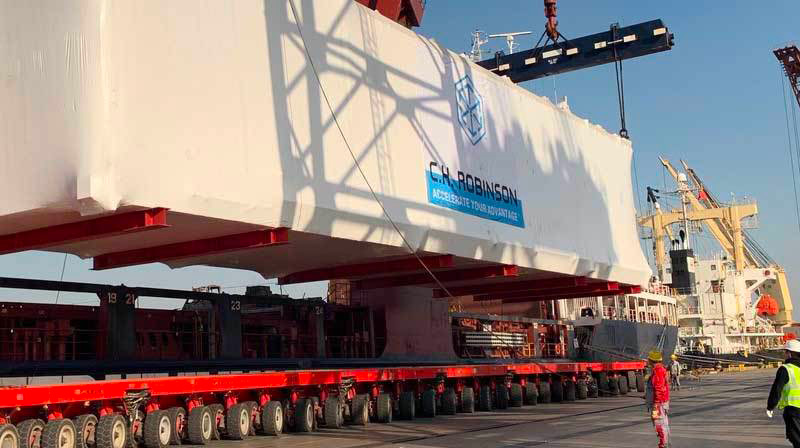
Logistique de projet
Réduisez les risques et économisez de l'argent grâce à notre modèle propriétaire de dépenses en capital (CAPEX).
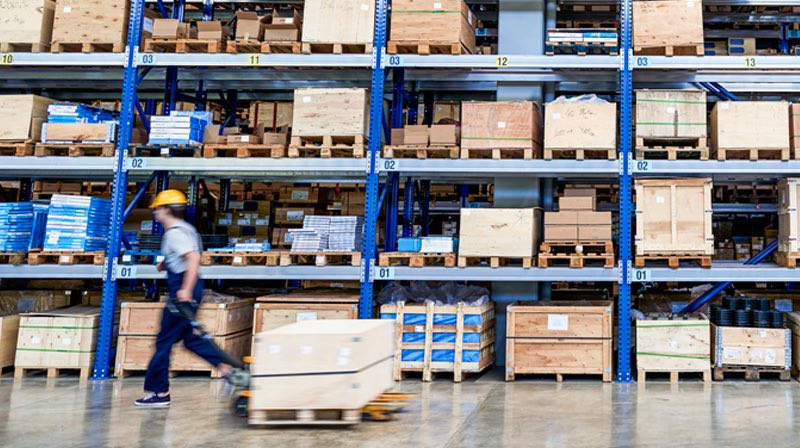
Logistique inverse
Récupérez de la valeur et minimisez l'impact sur l'environnement grâce à une stratégie efficace de logistique inverse.
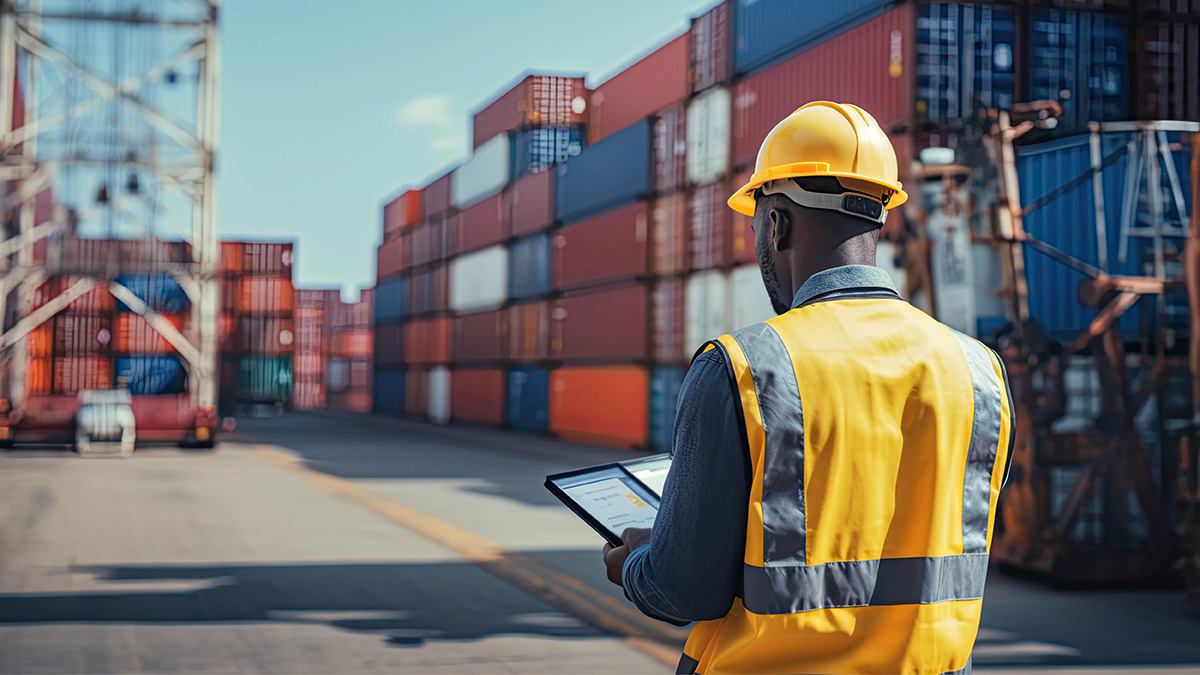
Transloading
Get earlier freight control, tailored port side solutions, and reliable delivery every time.
Nous vous emmenons là où vous voulez aller
What is logistics and supply chain management?
Logistics and supply chain management is the coordinated process of planning, executing, and optimizing the movement, storage, and flow of goods, services, and information from their point of origin to the final customer.
It includes core logistics activities such as transportation, warehousing, inventory management, and order fulfillment, while also encompassing broader supply chain functions like sourcing, production planning, and distribution strategy.
At its core, effective logistics and transport management ensures products move through the supply chain efficiently, cost-effectively, and reliably, supporting business continuity and customer expectations.

How Lean AI is transforming logistics and transportation management
In today’s operating environment, the functions of logistics and supply chain management are increasingly supported by Lean AI, a proprietary blend of advanced AI, logistics expertise, and a proven Lean operating model. Used thoughtfully, Lean AI automates and enhances the end-to-end shipment lifecycle, including transportation quoting, procurement, routing, invoicing, and reporting, enabling smarter, faster, and better decisions and operation execution.
Unlock logistics and supply chain management efficiencies
Strong supply chain and logistics management helps organizations reduce operating costs, improve delivery speed and accuracy, and increase supply chain visibility. When paired with tools like Lean AI, companies can identify inefficiencies faster, proactively respond to disruption, and continuously improve operations over time.
Most importantly, a well-managed supply chain enables faster, more reliable fulfillment, leading to satisfied customers, stronger brand loyalty, and scalable growth in competitive markets.
What are the 7 steps of logistics?
The seven commonly referenced steps of logistics are:
Planning and forecasting
Anticipating customer demand and aligning supply, inventory levels, and transportation capacity to meet future needs while minimizing excess cost and waste.
Procurement
Sourcing, negotiating, and purchasing raw materials, components, or finished goods from suppliers to ensure availability, quality, and cost efficiency.
Transportation
Moving goods between locations using truck, rail, air, or ocean freight, with an emphasis on route optimization, carrier selection, and on-time delivery.
Warehousing
Storing inventory in distribution centers or warehouses and managing receiving, put-away, storage, and retrieval processes until products are needed.
Order fulfillment
Picking, packing, and shipping customer orders accurately and efficiently to meet delivery commitments and service-level expectations.
Distribution
Delivering finished goods through a network of distribution centers, wholesalers, retailers, or direct-to-customer channels to reach the end market.
Returns management
Managing returns, reverse logistics, repairs, recycling, or disposal of products in a cost-effective, sustainable, and customer-friendly way.