 Download slides
Intermodal high season expected to end early
Published: Thursday, December 11, 2025 | 09:00 AM CDT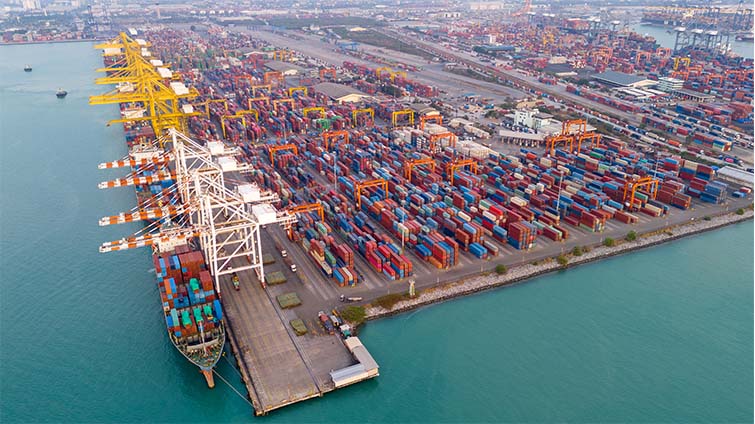
Market overview
Intermodal rail deliveries fell 3% year over year (y/y) in October as reported by the Association of American Railroads and that decline continued through November. Much of the softness reflects an early-year import surge tied to tariff concerns, which pulled forward demand that would normally appear later in the year. With roughly half of intermodal volume connected to global trade, holiday consumer spending and early-2026 restocking trends will be key drivers into 2026.
High season ends
High season 2025 is winding down earlier than normal. Southern California led an early surge that pushed carriers to implement high season surcharges, including:
- J.B. Hunt: Surcharges as high as $1,500 per load, later reduced to $800.
- Union Pacific: $300 surcharges for contracted customers and up to $500 for spot deliveries.
Union Pacific expects high season to end during the week of 22 December, earlier than historical norms. The early conclusion reflects both trade uncertainty and front-loaded demand.
West Coast as a strategic hub
The Port of Los Angeles remains the country’s most important intermodal gateway. While tariffs contributed to volatility this year, a newly announced U.S.-China trade framework that extends agreements through 2026 and rolls back retaliatory measures signals improved stability. Unless major disruptions emerge, shippers should see a more predictable planning environment in 2026.
Cost optimisation opportunities
Shippers can uncover savings this season with careful planning:
- Annual rail contracts: Weekly allocations only count when containers in-gate and allocations reset each Sunday. Moving Friday freight to Monday can help to prevent overages and reduce costs.
- Seasonal and project freight: Delaying deliveries until after Christmas is likely to generate savings as capacity loosens and surcharges fall away.
Spot market dynamics
Railroads are keeping spot rates closely aligned with truckload pricing until the truckload market strengthens. The approach helps balance networks while capturing additional volume. Outside California, spot pricing should remain stable through early 2026, although tariff uncertainty could temper broader North American intermodal growth.
Intermodal pricing outlook
Committed pricing trends vary by region:
- West Coast outbound: Rates are stabilising, with most new contracts effective 1 January 2026 or later.
- Other regions: Experiencing modest increases of 2-5% y/y, generally aligned with inflation.
In RFPs, shippers should prioritise providers with diverse rail relationships to maximise cost efficiency and flexibility.
Service performance
Intermodal service remains in line with five-year averages despite seasonal pressure. Higher Southern California volumes have not caused lasting container or chassis shortages. The network still holds meaningful excess capacity, though strategic equipment positioning remains important as railroads adapt to shifting demand.
 Actionable freight insights